Many building owners overlook the early signs an elevator shows before it fails completely, either because the signs seem minor or because the elevator still runs despite them. In practice, these signs are usually an early warning of a problem that gets worse gradually, and recognising them helps an owner call for maintenance at the right time rather than waiting for the elevator to stop working altogether. The sections below cover the main signs and what they usually mean.
Unusual Noise During Movement
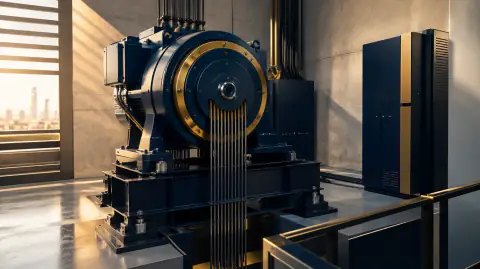
Friction sounds, clicking, or squeaking while the elevator moves up or down usually point to wear in one of the mechanical parts, or to moving parts that need lubrication. These sounds may seem minor at first, but they tend to grow louder with continued use if left unaddressed.
Ignoring these sounds for a long time can lead to greater wear in the affected parts, which raises the scale of the repair needed later and extends how long the elevator is out of service while it is fixed. Lift Barq's elevator maintenance service covers regular inspection and lubrication of mechanical parts, before noise turns into an actual breakdown.
Vibration or Jerking During Operation
A properly working elevator moves between floors with relative smoothness and no noticeable shaking. If passengers start to feel vibration or jerking while going up or down, that usually points to misalignment in the moving parts or in the guide system inside the shaft. This kind of vibration is not usually traced back to a single cause.
It may come from light shaking or from a stronger jerk when the cabin stops suddenly, and in either case it is best not to wait too long before requesting a technical check, since continued use with this fault increases the strain on the affected parts and brings a complete breakdown closer rather than fixing it while it is still minor.
Trouble Stopping Level With the Floor
One important sign is the elevator cabin not stopping precisely level with the floor, whether slightly above or below it. This gap may seem unimportant at first glance, but it poses a real risk to anyone entering or leaving the elevator, especially older residents or people using a wheelchair or a stroller.
Imprecise stopping is usually linked to the control system or to the drive mechanism itself, and it calls for a quick technical check rather than becoming something residents simply get used to. Safety on this point cannot wait, because the problem tends to widen the stopping gap gradually with every new trip.
Delayed or Faulty Door Opening and Closing
Doors are among the elevator parts most prone to problems, given how often they move each day. They may be slow to open or close, need more than one attempt to respond, or make an unpleasant sound while moving. These signs are usually linked to the door sensors or to their mechanical track, and it is worth watching for the following:
- A clear delay in how the door responds to an open or close command.
- Needing to retry closing the door more than once.
- A friction sound or shaking in the door's own movement.
Ignoring door problems can leave them stuck fully open or fully closed, which takes the whole elevator out of service until a technician arrives. Since the door is the part passengers deal with directly on every trip, any delay in it tends to be noticed faster than other internal faults.
Noticeably Slower Travel Speed
If the elevator starts taking longer than usual to move between floors, this usually points to reduced efficiency in the motor or in the control system that manages travel speed. This slowdown can be gradual enough that building users do not easily notice it, except by comparing it to how the elevator performed when it was first installed.
A drop in speed is not just an inconvenience while waiting. It often reflects strain on one of the core parts that drives the elevator, and deserves the same level of technical attention given to more obvious faults such as a complete stop, especially in buildings with heavy daily use.
Error Codes on the Control Panel
Modern elevators come with a control panel that displays codes or lights indicating a fault in one of the internal systems. These codes appearing repeatedly, even if the elevator keeps running, is a clear sign it needs a technical check before the fault develops into a sudden stop at an inconvenient moment.
Why Periodic Maintenance Matters
Periodic maintenance is the best way to catch these signs before they turn into major faults, since it relies on regular inspection of the mechanical and electrical parts rather than waiting for an obvious problem to appear. A regular maintenance contract also keeps a record of the elevator's condition over time, which makes it easier to track any change in performance.
Lift Barq provides maintenance and repair services for elevators in Riyadh, and its annual maintenance contracts include regular scheduled visits alongside response to emergency faults. Anyone who wants to know how to choose a home elevator from the start can read choosing the right elevator for a home for more detail on that subject.
Noticing any one of these signs does not necessarily mean a major fault has already occurred, but it deserves to be taken seriously rather than waiting for the elevator to stop completely. Requesting an early technical check protects the safety of everyone using the elevator and keeps repair costs lower than fixing a complete breakdown after the problem has grown.