
Many families in Riyadh consider installing an elevator inside the villa to make moving between floors easier, whether for older residents, for family members with mobility needs, or simply for everyday convenience. Before settling on a specific unit, it helps to understand the points that decide which elevator actually suits a home, starting with the available space and ending with the service that follows installation. These points do not change much between a villa still being designed and one already built, though the order of priorities can shift depending on each home.
Available Space and Number of Floors
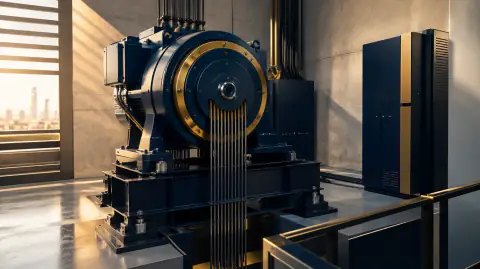
The first practical step is measuring the space set aside for the elevator within the villa design, whether that space already exists or can be created next to or within the staircase. The size and height of the elevator shaft vary with the type of unit, and so does the overhead clearance needed above the top floor for the drive mechanism, so it is best to confirm these measurements early, before any final decision is made.
The number of floors the elevator will serve matters as well. A unit serving two floors differs from one serving three or more in terms of vertical travel, suitable speed, and how it controls stopping at each level. Lift Barq's home elevator installation service is built around this kind of fit, matched to the layout of each villa individually.
Pit or No-Pit Elevator
Some elevator types need a pit beneath the travel path to house buffers and parts of the safety system, which suits buildings where the design allows for it from the start, especially when the elevator is planned as part of the villa's original layout. Other homes do not have this option, either because of how the foundation was built or because the villa was already completed without any provision for a pit.
For these cases, no-pit elevators rely on a different mechanism to work around this constraint without additional digging into the floor, a solution that suits existing villas being fitted with an elevator years after construction. Knowing this difference before the design stage saves the homeowner and the contractor a good deal of time and effort, and reduces the chance of structural changes later on.
Cabin and Doors
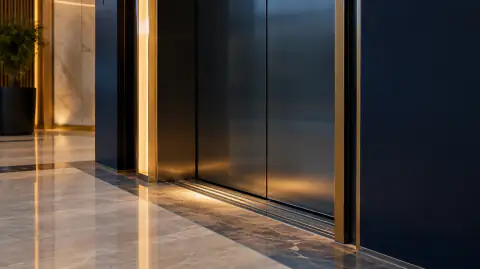
Home elevator cabins vary in interior space, finish, and lighting, and the cabin should match the number of people who will typically use it along with any specific needs, such as accommodating a wheelchair. Doors, in turn, differ between manual types and automatic ones fitted with sensors that detect an obstruction while closing, a difference that directly affects daily comfort and the safety of older residents and children. When comparing available options, it helps to pay attention to the following:
- The interior cabin space relative to the number of people expected to use the elevator each day.
- The type of cabin door and landing door, and how well their sensors work together.
- How easy the interior finish materials are to clean and maintain over time.
Power Source and Operating Safety
A home elevator depends on a stable electrical supply, and it is worth confirming that the home's wiring can power the elevator without affecting other loads, particularly in villas that run air conditioning and other electrical systems at the same time. Some systems also support a backup way to reach the nearest floor if power is cut, a point worth asking the supplier about clearly before signing anything.
Core safety features include emergency brakes, door sensors, and intercom buttons, all working together to bring the elevator to a safe stop whenever something goes wrong. These features are standard in any well-built elevator regardless of brand, whether it carries the name Otis, Schindler, Mitsubishi, or another brand known in the market.
Regulatory Compliance and Periodic Inspection
Elevators installed in Saudi Arabia must meet the requirements of the Saudi Standards, Metrology and Quality Organization, and must undergo periodic safety inspection after installation. This inspection is not limited to commercial buildings. It applies to home elevators too, as part of keeping the system safe to use over the long term rather than a formality that can be put off.
It is worth confirming that the supplier helps the homeowner complete this regulatory side from the start, rather than leaving it until after installation, when following up becomes more complicated. The inspection and safety certificate service covers this part of the process, and it should not be treated as an optional step separate from installation itself.
After-Sales Service and Maintenance
Choosing an elevator does not end the moment it is installed. Keeping it performing well depends on regular follow-up and the availability of spare parts when needed. It is best to ask from the outset how regular maintenance works and how quickly the supplier responds when an unexpected fault occurs, since these details show their value clearly after years of daily use.
Lift Barq supplies and installs home elevators alongside maintenance and spare parts services across Riyadh, and some of its installations carry a warranty of up to fifteen years. Knowing the signs that call for early maintenance is a subject worth its own attention, covered in signs an elevator needs maintenance in more detail before a small issue turns into a bigger fault.
Choosing a home elevator is a long-term decision that deserves enough time to weigh space, pit requirements, cabin, power source, and regulatory compliance before signing any offer. A homeowner who reviews these points carefully with a reliable supplier usually ends up with a unit that serves the family safely for years, without costly surprises that could have been avoided from the start.