An elevator maintenance contract is not just a sheet listing how many visits happen each year, it is the document that sets out each party's responsibility when a fault occurs, which parts the contract covers, and how fast the response is when the elevator suddenly stops. Many property owners sign a maintenance contract without reading its details carefully, then discover at the first real fault that an important term was not covered. This article sets out the elements a good maintenance contract should include. Knowing these terms in advance spares the owner a difficult conversation in the middle of an emergency, when the focus is on solving the problem, not reading the contract.
The Schedule of Periodic Visits
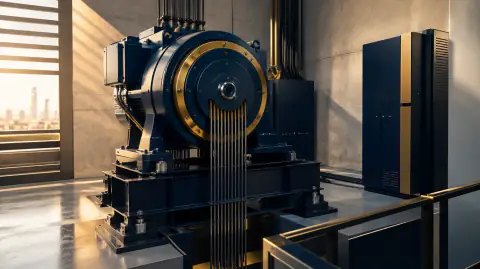
The first thing a contract should state clearly is the number of periodic visits per year and their approximate timing. A periodic visit is not just a quick check, it includes inspecting the cables, pulleys and machine oil where applicable, testing the call buttons and landing doors, and confirming the cabin stops accurately at each floor. A clear, written visit schedule removes any doubt about when the next visit falls and exactly what it will cover.
The right number of visits varies with how much the building is used, a building with heavy daily traffic may need more frequent visits than a quieter residential building. What matters is that the number and timing are written clearly into the contract itself, not left to the technician's judgement at each visit.
What the Contract Covers Exactly
Maintenance contracts vary in scope, some are limited to periodic inspection, lubrication and basic adjustment, while others add emergency repairs within the same contract at no extra cost per visit. It matters that the contract clearly states whether repairs outside the periodic visits are included or billed separately, since this difference directly affects the real cost of maintenance over the year.
The contract should also state whether it covers checking safety systems such as door sensors and emergency brakes, or whether these are inspected separately. All these details should be written down clearly, not left to a verbal understanding between the two parties.
Some contracts also distinguish between preventive maintenance, which stops a fault from happening in the first place, and repair, which comes after a fault has already occurred. A contract that combines both usually reduces how often the elevator stops unexpectedly.
Spare Parts and the Limits of Coverage
Before signing, it helps to know the answer to these specific points:
- Whether simple parts such as bulbs and sensors are included in the contract
- Whether larger parts such as the main cables or the control panel are billed separately
- Whether there is a difference in coverage between original parts and compatible replacement parts
Clarifying these points before signing prevents any later dispute over who bears the cost of a given part when it needs replacing. Some companies offer a warranty on the parts they install during maintenance, while others only warranty the installation and not the part itself, and knowing this difference in advance determines who bears the cost if the same part fails again within a short period.
Response in Emergencies
A sudden elevator stoppage, especially with someone inside the cabin, needs a fast response that cannot wait for the next scheduled visit. A good maintenance contract states a direct emergency contact number and the approximate time within which a technician reaches the site. This is one of the most important terms in practice, since it is the difference between a stoppage lasting minutes and one lasting hours with no response.
It also helps for the contract to state what happens outside regular working hours, over a weekend for example, and whether emergency response is available at these times or the service is limited to working days only.
Reports and Documentation
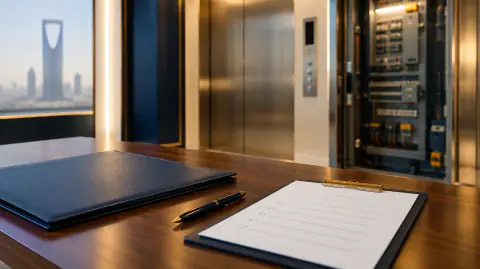
Every maintenance visit should produce a written report showing what was checked, what was adjusted or replaced, and any notes on the elevator's general condition. This record is useful for the owner to track the elevator's condition over time, and also useful when making a warranty claim or switching maintenance companies later, since it provides a clear record of the elevator's technical history.
Some companies send these reports right after each visit, while others keep them in a log the owner can request. It is best for the contract to state the documentation method used, so this record is not lost over time.
Periodic Inspection and Regulatory Compliance
A good maintenance contract takes into account that elevators in Saudi Arabia need a periodic safety inspection that meets the requirements of the Saudi Standards, Metrology and Quality Organization. Some maintenance contracts schedule this inspection within the same visit plan, so the owner stays continuously aware of the certificate's status and renewal dates without separate follow up.
Linking the periodic inspection date to the same maintenance schedule reduces the chance of a certificate expiring unnoticed, which could cause a problem at any inspection or when the property is sold or leased later.
When reviewing any maintenance contract, it is best to read every term carefully and ask about anything unclear before signing, since a contract that is clear from the start saves time and effort at the first real fault and protects both parties, not just the owner. Lift Barq offers annual maintenance contracts with clear terms, alongside breakdown and repair service when needed outside the contract's scope. To know the signs that call for urgent maintenance, see signs your elevator needs maintenance.